How Transfer Portal Success Is Changing College Football: Inside the Story of Dakoda Fields' Journey to Oklahoma
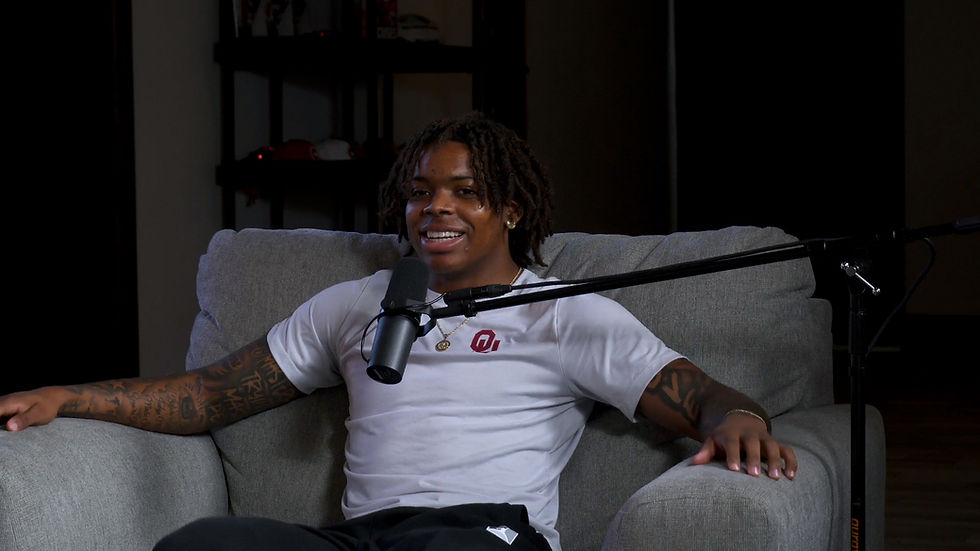
Are you curious about how the college football transfer portal is reshaping teams and player careers? In this post, you'll discover insights from Dakoda Fields’ transfer experience—covering the challenges, decisions, and new beginnings that define modern college sports. Whether you're a student-athlete, a fan, or a coach, understanding these stories can inspire your next move or deepen your appreciation for the game.
Transfer stories are often about more than just sports—they're about resilience, community, and finding the right place to thrive. Dakoda’s journey from Compton to Norman highlights how the transfer portal opens doors — and sometimes, surprises. Let’s dive into his story and what it reveals about today’s college football landscape.
The Growing Role of the Transfer Portal in College Football
College football has undergone a significant transformation with the rise of the transfer portal. Once, players largely stayed put, with few opportunities to change schools without sitting out a season. Now, the portal has become a crucial route for athletes seeking new environments, better opportunities, or a fresh start.
What is the transfer portal?
It's a database that allows college athletes to declare their intention to transfer to another school. Once in the portal, they can communicate with coaches and, if the NCAA approves, move to a new program more seamlessly.
Why is it so impactful?
Increased player agency: Athletes have more control over their careers.
Changing team dynamics: Coaches can quickly fill gaps or upgrade positions.
Player development: Transfer students often seek programs that better fit their skills or offer more playing time.
Dakoda’s story embodies this shift. As a high-profile recruit who faced injury setbacks, he recognized that traditional routes might not serve his development as well as exploring the transfer portal—an option that allowed him to find his new home at Oklahoma.
From Compton to Norman: A Player’s Journey Through the Transfer Process
Dakoda's journey illustrates the emotional and strategic elements behind successful transfers. Growing up in Compton, he was a standout high school player, the top corner in California, with school offers from across the country. His choice to attend Oregon was driven by proximity—initially wanting to stay closer to home and experience college life.
Challenges faced:
Injury setbacks, like tearing his ACL just before his freshman season.
Circumstances out of his control, which are common for many athletes navigating college sports.
The decision to enter the transfer portal during these tough times.
How he navigated the process:
His connection to Coach Stacey Ford, who had been recruiting him since high school, made the transition smoother.
Dakoda felt a strong pull towards Oklahoma's defense and culture even before transferring, which motivated his quick engagement once he entered the portal.
Personal relationships, like reconnecting with teammates and coaches, helped him adapt to a new environment.
His story showcases that the transfer portal isn’t just about switching schools—it's a strategic move influenced by injury, family, and long-term goals.
Building Connections and Embracing a New Culture at Oklahoma
Relocating from Oregon to Norman, Dakoda found that the Oklahoma culture embraced him warmly despite the geographical distance. The transition involved acclimating to cold weather and a new team environment, but he quickly felt at home.
Team integration
The Oklahoma team was welcoming from the start, emphasizing camaraderie and community.
The coaching staff, especially defensive coordinator Brent Venables, impressed him with their high standards and innovative schemes.
Building relationships with teammates was a priority; Dakoda mentioned how talking to players like Tory, who also transferred, made him feel more at ease.
Adapting to the playbook and scheme:
Oklahoma’s defense is complex, with disguises and exotic calls that intimidate even seasoned players.
Dakoda is excited to develop his skills in this environment, viewing it as an opportunity to become more versatile.
His smooth integration highlights how program culture, coaching, and peer support are crucial for transfer success. For athletes like Dakoda, a welcoming environment makes all the difference in performing at their best.
The Inside Perspective: What It Takes to Thrive After the Transfer
Dakoda’s experience reveals several key qualities and strategies that help players succeed after transferring:
Resilience: Overcoming injuries and adjusting to new environments requires mental toughness.
Relationship-building: Staying connected with family, old friends, and new teammates eases the transition.
Preparation and Adaptability: Learning new schemes and embracing a different team culture requires flexibility and dedication.
He also emphasized the importance of community involvement and the high standards set by Oklahoma’s coaching staff—both on and off the field. His depiction of his role as a versatile player who can do everything from covering to returning kicks shows how athletes can carve out unique identities in their new programs.
Key takeaway: Successful transfers are about more than just talent—they involve mindset, relationship-building, and aligning with a team’s culture and coaching style.
Final Thoughts: The Future of College Football & Transfer Stories
Dakoda’s journey exemplifies how the transfer portal empowers athletes, transforming college football into a more dynamic and player-centered sport. His story highlights the importance of resilience, choosing the right environment, and building strong relationships.
Comments